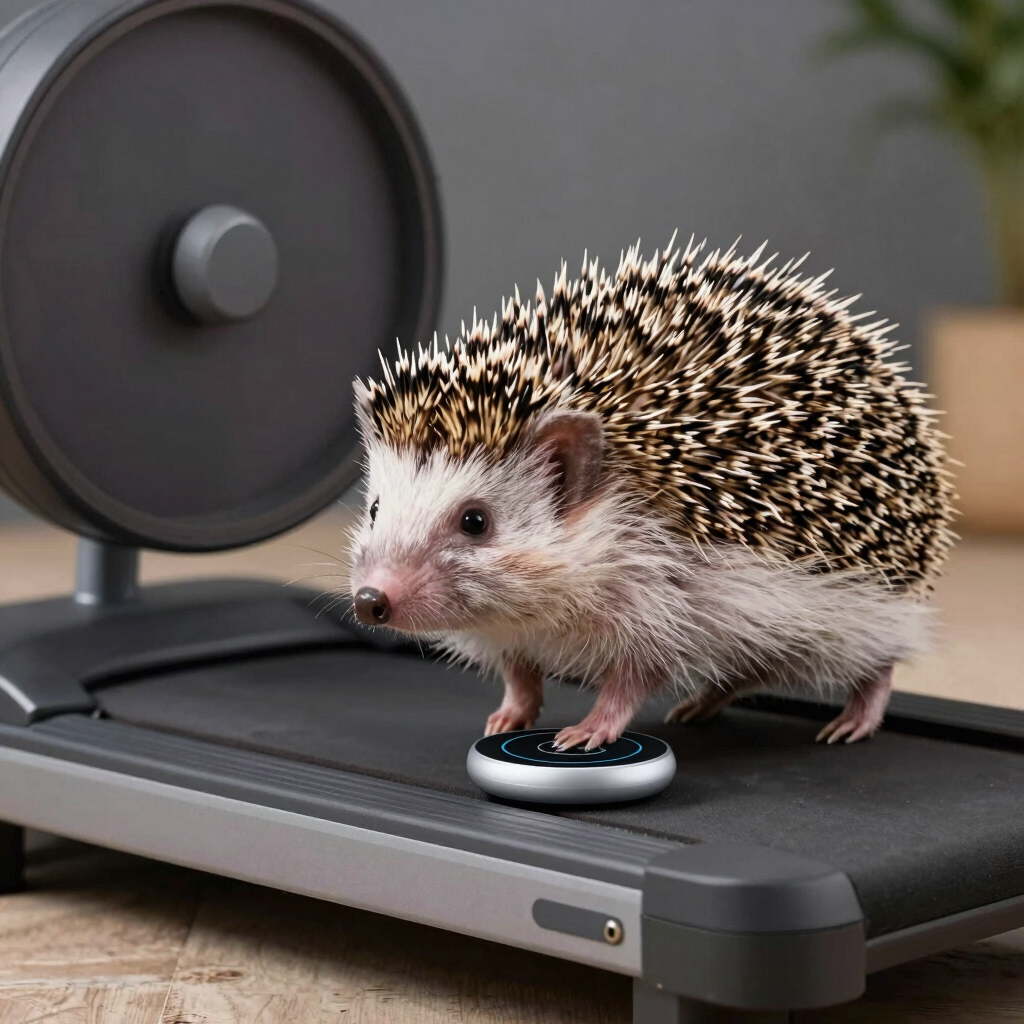
Small Pet Fitness Tracker for Small Animals
Discover how small pet fitness tracker can monitor activity, mileage, and health patterns in chinchillas, hedgehogs, and hamsters. Learn about its benefits and whether it's worth the investment for your small pet's well-being.
SMALL ANIMAL
Alyssa Piazza Pet Ecosystem Team
5/21/202610 min read


Smart Small Pet Fitness Trackers: How Activity Monitoring Catches Illness Early (2026)
Meta description: Smart exercise wheels for chinchillas, hedgehogs, and sugar gliders track nightly mileage and flag activity drops that are often the first sign of illness. Here's what they do and whether they're worth it.
Target keyword: small pet fitness tracker Secondary keywords: smart exercise wheel chinchilla, hedgehog activity monitor, smart pet wheel telemetry, small animal health monitoring, exotic pet wellness tracker Suggested URL slug: /small-pet-health-fitness-tracker Author: [Add named author + 2-sentence exotic small animal keeping bio] Published: May 2026 · Last reviewed: May 2026
A hedgehog that runs 5 miles every night then suddenly stops has almost certainly told you something important about its health. The problem is that this information happens between 11 PM and 4 AM, while you're asleep — and by the time the same hedgehog shows visible symptoms of illness during daylight hours, the condition has often been developing for days or weeks.
Smart small pet fitness trackers — specifically smart exercise wheels with activity telemetry — solve this problem by recording nightly activity data automatically and flagging significant drops in a smartphone app. For exotic prey animals that instinctively mask weakness, this passive overnight monitoring is currently the most reliable early-warning health tool available to pet owners.
This guide covers why activity monitoring matters for small mammals, how the technology works, what normal and concerning activity patterns look like for different species, and how to choose the right setup.
Why Small Mammals Are Uniquely Difficult to Monitor
Dogs and cats show illness relatively openly — reduced appetite, lethargy, visible discomfort, and behavioral changes that occur during waking hours when owners are present. Small exotic mammals don't work this way, and the reason is evolutionary.
Chinchillas, hedgehogs, sugar gliders, and ferrets are all prey species. In the wild, an animal displaying visible weakness becomes a target. Over millions of years, prey mammals evolved the capacity to suppress outward illness signals — continuing to eat, move, and behave normally even when seriously unwell, because stopping these behaviors in the wild means death.
Domestic ownership doesn't override this instinct. A hedgehog with a respiratory infection or early cardiac issue will often continue to eat from your hand, unroll on cue, and move around its enclosure during the brief evening interaction window — while quietly deteriorating through the night.
The practical consequence: By the time a small exotic mammal shows obvious daytime symptoms — lethargy, weight loss, visible labored breathing, failure to eat — the underlying condition has typically been present for days to weeks. Veterinary intervention at that stage is reactive rather than preventative, and outcomes are substantially worse than early-stage treatment.
The single most reliable early indicator of illness in these species is reduced nocturnal activity — and that's precisely what smart exercise wheel tracking captures.
The Science: What Normal Activity Looks Like by Species
Before interpreting activity data, it's essential to understand what baseline healthy activity actually looks like for each species. These numbers represent typical nightly activity in a well-enriched, appropriately housed animal:
African pygmy hedgehog — Typically travels 3–8 miles nightly, stays active for 4–8 hours, and shows consistent bursts of movement with peak activity at dusk and dawn.
Chinchilla — Usually covers 2–5 miles per night with 2–5 active hours spread across multiple sessions, often peaking around midnight.
Sugar glider — Travels roughly 1–3 miles nightly through gliding and running, with intermittent and highly variable activity patterns lasting 3–6 hours.
Syrian hamster — Frequently runs 5–8 miles each night and remains active for 6–10 hours, with near-continuous movement and peak activity between 2–4 AM.
Dwarf hamster — Commonly travels 3–6 miles nightly with 5–9 active hours and a continuous polyphasic activity cycle.
Degu — Typically moves 1–4 miles per night with 3–7 active hours and strongest activity during dawn and dusk.
Ferret — Generally shows lower total travel distance, with 4–6 hours of activity made up of short energetic bursts rather than wheel-focused exercise.
Note: Individual variation is significant. The diagnostic value of activity tracking comes from establishing each animal's personal baseline, then detecting deviations from it — not from comparing against population averages.
A hedgehog running 3 miles per night consistently is healthy. That same hedgehog dropping to 0.5 miles three nights in a row is a health flag, even if 0.5 miles would be normal for a different individual.
How Smart Exercise Wheel Tracking Works
The technology in smart pet fitness wheels is straightforward and reliable:
Magnetic rotation sensors are mounted at the wheel axle point. Each rotation of the wheel triggers a sensor pulse. The firmware counts pulses, multiplies by wheel circumference, and calculates distance. Running speed is derived from rotation frequency. Activity duration is the total time rotations are detected per session.
Data transmission: WiFi-enabled wheels (like the Wodent Wheel Smart or Niteangel Smart Wheel) upload session data to a companion app automatically via your home network. The app stores historical data, generates trend graphs, and allows you to set threshold alerts — for example, "notify me if nightly distance drops below 2 miles for two consecutive nights."
What the app shows:
Nightly mileage with historical comparison
Running speed (average and peak)
Active session count and duration
Trend graphs showing week-over-week and month-over-month patterns
Configurable alert thresholds
The sensor hardware requires no maintenance and draws minimal power. Most smart wheels run indefinitely on standard USB or AC power without battery concerns.
Reading the Data: What Activity Changes Mean
Not every activity reduction is a health emergency. Context matters:
Normal variation:
Seasonal activity shifts (chinchillas and hedgehogs in particular show reduced activity during temperature extremes)
Post-handling or post-cleaning reduction (stress from environmental disruption causes temporary activity suppression)
Estrus cycles in females (reduced wheel activity during peak reproductive cycles)
Age-related gradual decline (elderly animals naturally run less)
Patterns that warrant veterinary attention:
Sudden 50%+ drop in nightly distance lasting more than 2 nights — May indicate illness, pain, or injury and should be monitored closely.
Complete wheel cessation in a previously active animal — Often associated with significant illness, acute injury, or severe stress.
Dramatically reduced running speed with normal activity duration — Can signal musculoskeletal pain or early neurological issues.
Fragmented activity sessions with frequent stopping — May suggest respiratory distress, cardiac problems, or physical discomfort.
Gradual activity decline over 2–3 weeks — Commonly linked to dental disease (especially in Chinchilla), chronic illness, aging, or weight gain.
Activity shifting to unusual hours — Sometimes caused by environmental stress, disrupted routines, or hearing and vision decline.
The advantage of continuous data logging is that gradual patterns become visible that would be completely invisible to daily observation. A chinchilla losing 10% of its nightly mileage per week over a month represents a 40% total activity decline — entirely plausible to miss without tracking, immediately obvious on a trend graph.
🎥 Monitor Nocturnal Activity in Real Time
Blink Mini Indoor Camera
✅ Watch Overnight Activity
✅ Verify Wheel Usage
✅ Monitor Health Changes
✅ Check Behavior While Away
👉 Check Today's Price on Amazon
Smart Wheel vs. Standard Wheel: What the Hardware Difference Means
Beyond the tracking functionality, premium smart wheels differ from budget plastic wheels in ways that matter independently for animal safety:
Running surface material. Solid aluminum or resin running tracks eliminate the gap-and-rung designs found on cheap wire wheels, where small toes, nails, and tails can get caught. For hedgehogs particularly — whose spines make them difficult to extract from wheel entrapments — a solid running surface is a safety requirement, not a preference.
Bearing quality. Industrial sealed ball bearings produce near-silent operation. Budget wheels with basic sleeve bearings become progressively noisier as they wear, which is disruptive for nocturnal animals that run most actively during the quiet overnight hours and for owners sleeping nearby.
Chew resistance. Small mammals chew constantly, including on cage equipment. Solid aluminum and dense resin wheels don't create plastic splinters or ingestible fragments. Ingested plastic is a leading cause of intestinal obstruction in small exotic mammals — a life-threatening condition requiring surgical intervention.
Size appropriateness. Wheel diameter affects spinal alignment during running. Running on a wheel that's too small forces the spine into an arc, contributing to spondylosis (spinal arthritis) over time. Size guidelines:
SpeciesMinimum Wheel DiameterAfrican pygmy hedgehog10–12 inchesChinchilla15–17 inchesSyrian hamster10–11 inchesDwarf hamster8–10 inchesSugar glider10–12 inches
Most cheap pet store wheels are undersized for chinchillas and hedgehogs specifically — this is the most common wheel-related husbandry error in these species.
Top Smart Exercise Wheels for Small Mammals (2026)
🥇 Niteangel Smart Wheel with Activity Tracker
Best for: Hedgehogs, chinchillas, large hamsters
Diameter: 10.8" (hedgehog) / 15.7" (chinchilla)
Tracking: Magnetic sensor with companion app
Metrics:
Nightly mileage
Running speed
Exercise duration
Running surface: Solid mesh resin (foot-safe)
Bearings: Sealed ball bearings (near-silent)
Price: $65–$95
App: iOS/Android with trend graphs and activity history
Pros
Accurate activity tracking
Very quiet operation
Durable construction
Smooth running surface
Easy setup
Cons
Premium pricing
Limited alert customization
🏆 Pet Ecosystems Top Pick Smart Exercise Wheel
Niteangel Smart Wheel
✅ Tracks Distance, Speed & Activity Duration
✅ Automatic App Sync
✅ Near-Silent Operation
✅ Excellent for Hedgehogs & Chinchillas
👉 Check Today's Price on Amazon
🥈 Wodent Wheel Senior + Trak-Wheel Add-On
Best for: Hedgehogs, sugar gliders
Diameter: 11"
Tracking: Optional Trak-Wheel sensor
Running surface: Solid ABS plastic
Sidewalls: Fully enclosed
Bearings: Sealed bearings
Price:
Wheel: $55–$80
Sensor: $30–$40
Pros
Extra stability from enclosed design
Upgradeable tracking system
Great for existing Wodent owners
Durable build
Cons
Sensor sold separately
More setup required
Total cost can approach premium smart-wheel pricing
🦔 Best Smart Wheel for Hedgehogs
Wodent Wheel + Trak-Wheel
✅ Extra Stability
✅ Enclosed Sidewalls
✅ Great for Active Hedgehogs
✅ Upgradeable Tracking System
👉 Check Today's Price on Amazon
💰 Generic Smart Wheels (Budget Option)
Best for: First-time users testing activity tracking
Price: $25–$45
Commonly available on Amazon and marketplace retailers
Tracking:
Distance
Speed
Activity duration
Connectivity: Usually Bluetooth/app-based
Pros
Affordable
Easy to find
Basic tracking works reasonably well
Good introduction to activity monitoring
Cons
Louder bearings
Lower durability
Less polished apps
Quality varies by manufacturer
💰 After Generic Smart Wheels
Generic Smart Wheel
✅ Affordable Entry Point
✅ Basic Distance Tracking
✅ Easy Introduction to Activity Monitoring
👉 Check Today's Price on Amazon
Best Picks
Best Overall: Niteangel Smart Wheel
Best for Hedgehogs: Wodent Wheel + Trak-Wheel
Best Budget Option: Generic Smart Wheels
Best Upgrade Path: Wodent Wheel + Trak-Wheel
Quietest Wheel: Niteangel Smart Wheel
Best Data Tracking: Niteangel Smart Wheel
Smart Exercise Wheel Comparison (Stacked)
Activity Tracking
Niteangel Smart Wheel
Integrated tracking system
Tracks mileage, speed, and duration
Data automatically syncs to app
Wodent Wheel + Trak-Wheel
Requires separate sensor purchase
Tracks similar activity metrics
Additional setup needed
Generic Smart Wheels
Basic distance and speed tracking
App quality varies by manufacturer
Less reliable long-term
Running Surface
Niteangel Smart Wheel
Solid mesh resin
Foot-safe design
Excellent traction
Wodent Wheel + Trak-Wheel
Solid ABS plastic
Enclosed running area
Good grip and safety
Generic Smart Wheels
Varies widely
Some use lower-quality plastics
Surface durability inconsistent
Noise Level
Niteangel Smart Wheel
Near-silent
Premium sealed ball bearings
Slight edge overall
Wodent Wheel + Trak-Wheel
Very quiet
Sealed bearings
Minimal vibration
Generic Smart Wheels
Noticeably louder
Bearings wear faster
More rattling over time
Ease of Setup
Niteangel Smart Wheel
Easiest setup
Integrated design
Ready out of the box
Wodent Wheel + Trak-Wheel
Moderate setup
Sensor installation required
Generic Smart Wheels
Usually simple
App pairing can be inconsistent
Stability & Safety
Niteangel Smart Wheel
Stable open-wheel design
Smooth running experience
Wodent Wheel + Trak-Wheel
Best stability
Enclosed sidewalls help prevent falls
Generic Smart Wheels
Stability varies by brand
Quality control inconsistent
Price
Niteangel Smart Wheel
$65–$95
Wodent Wheel + Trak-Wheel
$85–$120 total with sensor
Generic Smart Wheels
$25–$45
Best For
Best Overall: Niteangel Smart Wheel
Best for Hedgehogs: Wodent Wheel + Trak-Wheel
Best Budget Choice: Generic Smart Wheels
Best Tracking Experience: Niteangel Smart Wheel
Best Stability: Wodent Wheel + Trak-Wheel
Best Upgrade for Existing Owners: Wodent Wheel + Trak-Wheel
Best Value Starter Option: Generic Smart Wheels
Recommendation
Choose Niteangel if you want the best combination of tracking accuracy, quiet performance, and reliability.
Choose Wodent + Trak-Wheel if your pet benefits from extra sidewall protection and stability.
Choose a generic smart wheel if you're trying activity monitoring for the first time and want to keep costs low.
Safety tip: Regardless of brand, prioritize a solid running surface rather than wire or rung-style wheels, as solid surfaces help reduce the risk of foot and leg injuries.
Setting Up Activity Monitoring: Practical Steps
Step 1 — Establish a baseline before looking for problems. Run the smart wheel for 3–4 weeks before relying on the data diagnostically. Your pet's personal baseline — their typical nightly mileage, session count, and activity hours — is the reference point against which deviations become meaningful. Don't set alert thresholds until you know what normal looks like for that individual animal.
Step 2 — Control environmental variables. Temperature significantly affects small mammal activity. Chinchillas are most active between 60–75°F and become lethargic above 80°F — an activity drop during a heat wave is a thermoregulation response, not an illness signal. Document temperature alongside activity data to distinguish environmental from health-related changes.
Step 3 — Log life events in the app notes. New cage, vet visit, diet change, new pet in the household — all of these cause temporary activity changes. Noting them in the app prevents false alarm interpretations and creates a useful record for vet consultations.
Step 4 — Share data with your exotic vet. When you bring a hedgehog or chinchilla in for a checkup, showing 6 months of activity trend data to your vet provides diagnostic context that a physical exam alone cannot. Vets who work with exotic mammals increasingly appreciate this kind of objective behavioral data, particularly for species where physical examination yields limited information.
Frequently Asked Questions
What is a smart pet fitness tracker for small animals? A smart small pet fitness tracker is typically a motorized exercise wheel with built-in magnetic rotation sensors that record nightly activity data — distance traveled, running speed, and active hours — and sync to a smartphone app. Some systems also include habitat sensors that monitor temperature and humidity alongside activity metrics.
Can a smart exercise wheel actually detect illness in hedgehogs and chinchillas? Not diagnose illness directly — but reliably detect the activity drops that are often the earliest observable sign of illness in prey species that hide symptoms. A hedgehog that normally runs 5 miles per night consistently dropping to under 1 mile warrants a vet visit regardless of visible symptoms. In practice, this early-warning function has led owners to catch respiratory infections, dental disease, and cardiac issues before they became obvious clinical emergencies.
What's a healthy amount of nightly exercise for a hedgehog? A healthy adult African pygmy hedgehog typically runs 3–8 miles per night across 4–8 hours of activity. Significant variation exists between individuals — establishing each animal's personal baseline is more diagnostically useful than comparing against population averages. Very active individuals may consistently run 6–7 miles; naturally less active hedgehogs may average 2–3 miles and be completely healthy.
Are smart exercise wheels safe for small mammals? Quality smart wheels — solid running surfaces, appropriate diameter, sealed bearings — are significantly safer than cheap wire or rung-based plastic wheels. The key safety features to verify are: no gaps in the running surface (nail/toe entrapment risk), minimum appropriate diameter for the species (spinal alignment), and chew-resistant materials (ingestion risk).
Do chinchillas need an exercise wheel? Yes. Chinchillas are highly active crepuscular mammals that require significant daily exercise for cardiovascular health and behavioral wellbeing. A wheel is not an optional enrichment item for chinchillas — it's a welfare necessity for caged individuals. The wheel must be large enough (15–17 inches minimum diameter) to allow a neutral spinal position while running.
Can I use a smart wheel data app to share information with my vet? Yes, and this is one of the more underutilized practical benefits. Most smart wheel apps allow screenshot or data export of trend graphs. Bringing 2–3 months of activity trend data to a vet appointment provides objective behavioral context that helps exotic mammal vets identify patterns correlating with health events — particularly useful for conditions that develop gradually.
🏆 Pet Ecosystems Recommended Small Pet Health Monitoring Setup
🥇 Best Overall — Niteangel Smart Wheel
🦔 Best for Hedgehogs — Wodent Wheel + Trak-Wheel
💰 Best Budget Choice — Generic Smart Wheel
🎥 Best Monitoring Add-On — Blink Mini Camera
📊 Best Activity Tracking Experience — Niteangel Smart Wheel
👉 Check All Current Pricing on Amazon
Final Thoughts
Smart small pet fitness tracking addresses a genuinely difficult problem in exotic pet care: the inability of prey animals to reliably communicate illness through the behavioral signals owners are trained to watch for. A smart exercise wheel doesn't replace veterinary care or direct daily observation — it adds a passive overnight monitoring layer that operates while you're asleep, during the exact hours these nocturnal animals are most active.
For owners of hedgehogs, chinchillas, sugar gliders, or active small rodents who want more than a daily "looks fine to me" assessment of their pet's health, activity tracking provides the most actionable health data currently available without veterinary instrumentation.
The technology is affordable, the setup is minimal, and the data is genuinely useful — both for early illness detection and for the long-term activity records that make vet consultations more productive.
→ Read our hands-on Smart Small Animal Wheel Review → Microchip pet doors for safe small pet free-roaming→ Explore all Small Pet & Homestead Guide
Affiliate disclosure: Pet Ecosystems participates in affiliate marketing programs. We may earn commissions from qualifying purchases made through links on this site at no additional cost to you. Our recommendations are based on independent research and editorial review.