Best Automated Reef Tank Testing Systems

Discover how automated reef tank testing systems monitor alkalinity, calcium, and magnesium to prevent coral bleaching. Learn about their benefits and if the cost is justified for your reef tank setup.

AQUATIC

Eli Flores Pet Ecosystem Team

5/22/20269 min read

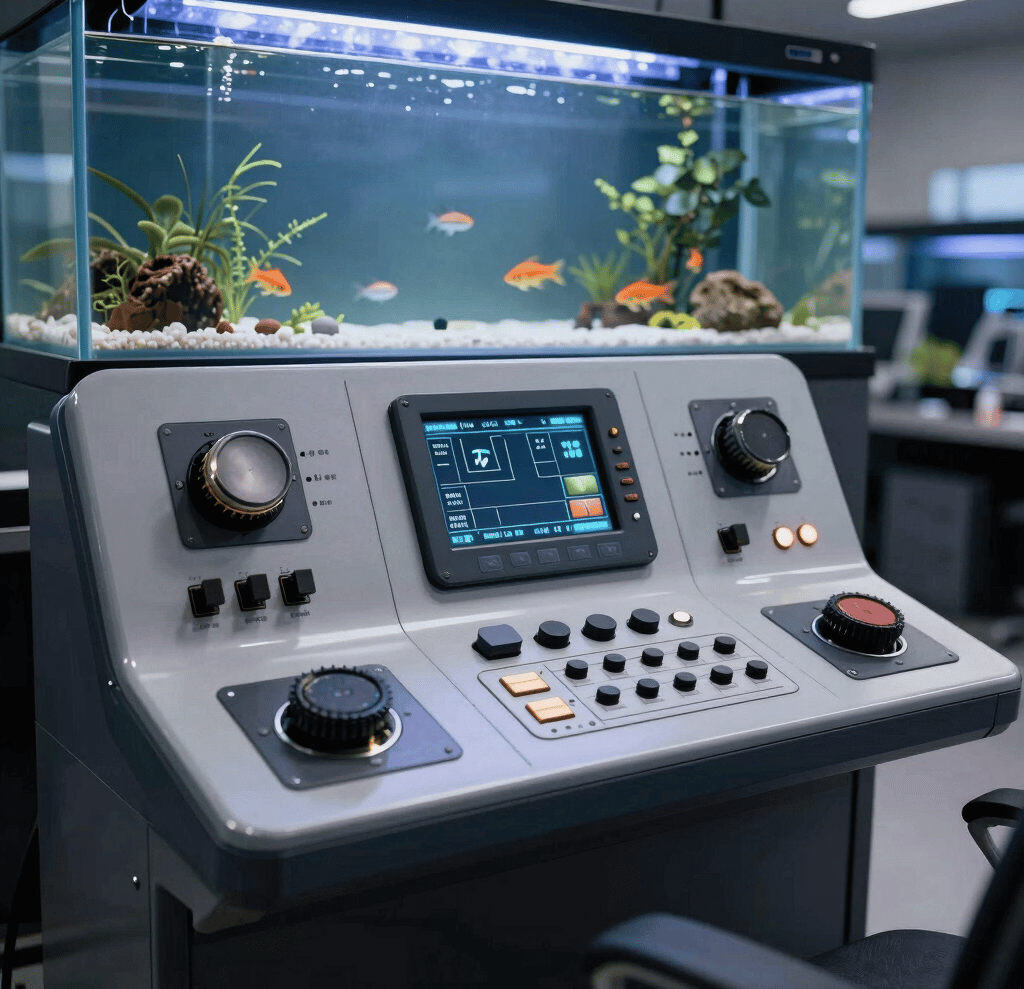
Automated reef tank water testing system monitoring alkalinity and calcium

Automated Reef Tank Testing: Is It Worth It for Coral Care? (2026 Guide)

A coral colony worth $300 can bleach and die within 48 hours of an undetected alkalinity crash. A $200 automated reef tank testing system running continuous checks would have caught it within hours.

That's the core value proposition of automated reef tank testing — and for anyone keeping SPS corals, high-end LPS, or a mature mixed reef, it's a calculation that gets more compelling every year. This guide explains exactly how these systems work, which parameters matter most, what the leading platforms do differently, and how to decide whether the investment makes sense for your specific tank.

Why Reef Tank Chemistry Is Harder Than Any Other Aquarium

Freshwater aquariums primarily require managing the nitrogen cycle — ammonia, nitrite, nitrate — through regular water changes and sufficient biological filtration. That's a relatively stable system once established.

Reef tanks add an entirely different layer of complexity. Corals are living calcifying organisms. Every day, they actively extract calcium, alkalinity (carbonate hardness), and magnesium from the water column to build their calcium carbonate skeletons. A well-established SPS-dominant reef can consume measurable quantities of these elements within hours.

The result: reef chemistry is not a static system. It's a continuously depleting one that requires active replenishment to stay within the tight parameter windows corals require.

Target parameters for a healthy SPS reef:

  • Alkalinity (dKH): 8.0–9.5 dKH

    • Instability can cause bleaching, RTN/STN, and tissue recession

  • Calcium (ppm): 400–450 ppm

    • Low or unstable calcium slows skeletal growth and weakens coral structure

  • Magnesium (ppm): 1,250–1,350 ppm

    • Poor magnesium levels can trigger calcium/alkalinity precipitation and inefficient dosing

  • pH: 8.1–8.3

    • Unstable pH causes metabolic stress and reduced calcification

  • Salinity (Specific Gravity): 1.025–1.026

    • Incorrect salinity creates osmotic stress for fish and invertebrates

  • Nitrate (ppm): 1–10 ppm

    • Too low may lead to pale corals and instability; too high can stress corals and fuel algae

  • Phosphate (ppm): 0.03–0.10 ppm

    • Elevated phosphate can promote algae growth and coral browning above 0.10 ppm

Even experienced reef keepers testing manually once or twice a week can miss a 24-hour alkalinity swing that stresses corals before the next test catches it. The issue isn't competence — it's the fundamental limitation of periodic sampling in a continuously changing system.

The Problem With Manual Test Kits at Scale

Manual reagent test kits — Salifert, Red Sea, Hanna Checkers — are reliable and accurate tools when used correctly. For tanks with a handful of hardy LPS corals, weekly manual testing is adequate. But three compounding problems emerge as tanks become more complex:

Testing frequency. Alkalinity in a well-stocked SPS reef can drop 0.5–1 dKH within a single day during peak growth periods. Testing once a week means you're making dosing decisions based on data that's up to 7 days old. You're essentially driving by looking in the rearview mirror.

Subjectivity. Reagent-based colorimetric tests require comparing a water sample color against a printed chart. Under different lighting conditions, with different eyesight, and with the natural variation in reagent quality between batches, two experienced reefers testing the same water can arrive at readings 0.5–1 dKH apart. On a system where your target window might be 8.0–9.5 dKH, that margin of error matters.

Testing fatigue. Running a complete Salifert alk/calc/mag panel takes 15–20 minutes per test. Most reef keepers — even dedicated ones — don't consistently test three parameters every other day for years. The discipline deteriorates, testing frequency drops, and the parameter drift that manual testing was meant to catch goes undetected.

Automated testing directly addresses all three problems.

🏆 Pet Ecosystems Recommended Automated Reef Monitoring Setup

🧪 Best Reef Testing Kit

Hanna Reef Pro Checker Kit V2

👉Check Today's Price on Amazon
Why:

  • Directly solves the testing accuracy problem.

  • Hanna is one of the most trusted names in reef testing.

How Automated Reef Tank Testing Systems Work

Current automated reef testing platforms use one of two core mechanisms, or a combination of both:

Colorimetric reagent automation (robotic testing): The system stores liquid reagents in sealed cartridges, uses micro-dosing pumps to draw a precise water sample from the tank, mixes it with the appropriate reagent in a controlled chamber, and reads the color result using a calibrated optical sensor rather than human eyesight. This is the approach used by the ReefBot and similar platforms.

The advantage is accuracy: the same digital sensor reads every test under the same conditions, eliminating the human subjectivity of visual color matching. Reagent cartridges need periodic replacement (typically every 50–100 tests per parameter), which represents the ongoing cost of the system.

Ion-selective electrode (ISE) sensing: Systems like the MindStream monitor use specialized electrodes that directly measure ion concentrations in the water in real time — no reagents required. The tradeoff is that electrode sensors require regular calibration and eventual replacement, but they enable truly continuous monitoring (readings every few minutes rather than every few hours).

Both approaches feed data to a companion app or cloud dashboard, generating trend graphs that show parameter movement over time rather than just isolated point-in-time readings.

ReefBot Lab vs. MindStream: The Two Main Platforms in 2026

ReefBot Lab

Testing method: Automated colorimetric (reagent-based) Parameters tested: Alkalinity, calcium, magnesium, nitrate, nitrite, phosphate, pH, and more (modular) Test frequency: Configurable — every hour to every 12 hours per parameter Price range: $400–$700 depending on configuration Reagent cost: Approximately $30–$60/month depending on test frequency Dosing integration: Yes — compatible with most major dosing pump brands via API App: Cloud dashboard with trend graphs, alerts, and dosing recommendations

The ReefBot Lab's strength is its modularity and proven reagent accuracy. Because it uses the same colorimetric chemistry as trusted manual test kits — just executed by a robot — its readings correlate closely with Salifert and Hanna results. This makes it easy to validate against your existing testing baseline.

Its limitation is throughput: because each test takes 10–15 minutes to execute through the automated cycle, it can't test all parameters simultaneously. You configure a testing schedule (alkalinity every 4 hours, calcium and magnesium twice daily, etc.) and the system works through the queue.

MindStream Aquarium Monitor

Testing method: Ion-selective electrode (continuous) Parameters monitored: pH, ORP, dissolved oxygen, temperature, salinity (conductivity), nitrate (newer versions) Reading frequency: Near-continuous (every few minutes) Price range: $300–$500 Ongoing cost: Electrode replacement (annually) Dosing integration: Limited compared to ReefBot App: Real-time dashboard with historical graphs

The MindStream's advantage is continuous real-time monitoring — it's watching your tank every minute, not sampling it every few hours. For parameters like pH, ORP, and temperature where rapid swings are the primary risk, this near-continuous visibility is genuinely valuable.

Its limitation is parameter coverage: ISE technology is mature for pH, salinity, and temperature, but less reliable for calcium and alkalinity — the two parameters reef keepers care about most. Most users pair MindStream with periodic manual or ReefBot testing for the full chemistry picture.

For most reef keepers, the ReefBot Lab handles the chemistry parameters that matter most for coral health, while a probe-based monitor handles real-time temperature and pH. Using them together is a legitimate strategy for a complete monitoring setup.

Smart Dosing Integration: The Automation Loop

Testing is only half the equation. The full value of automated reef monitoring is realized when testing data feeds directly into automated dosing.

The basic integration chain:

  1. The testing system detects that alkalinity has dropped from 8.5 to 8.1 dKH

  2. An alert fires to your phone in real time

  3. If integrated with a dosing pump (GHL Doser, Kamoer, Neptune DOS), the controller automatically dispenses a calculated volume of alkalinity supplement to restore the target level

  4. The testing system confirms the correction on the next test cycle

  5. The dosing schedule adjusts forward to compensate for elevated consumption

This creates a partially self-correcting reef ecosystem — one that maintains stable chemistry without requiring you to manually calculate, measure, and dose supplements on a daily basis.

The qualification "partially" matters: automated dosing still requires human oversight. Dosing pump calibration drifts, reagent potency varies between batches, and consumption spikes during coral spawning events or after fragging sessions. Treat automated dosing as a highly capable assistant, not a fully autonomous system.

🧠 Best Automated Dosing System

Red Sea ReefDose 4

👉Check Today's Price on Amazon

🧠 Pet Ecosystems Top Pick Reef Doser

✅ 4-Head Automated Dosing
✅ ReefBeat App Control
✅ High Precision Delivery
✅ Ideal for Calcium, Alkalinity & Trace Elements

Remote Monitoring and Emergency Alerts

For reef keepers who travel — or who simply want protection against overnight equipment failures — remote alert capability may be the single most financially valuable feature of an automated testing system.

Common emergency scenarios where early alerts prevent major losses:

  • Heater malfunction (stuck on or off) — temperature alerts catch this within minutes

  • Alkalinity crash from empty dosing container — caught on the next test cycle rather than the next manual test day

  • Salinity spike from excessive evaporation — conductivity monitoring flags this overnight

  • pH crash from CO₂ buildup (common in poorly ventilated rooms overnight) — pH monitoring catches the pattern

A single prevented coral loss event — especially on a mature SPS colony that took years to grow — can easily justify the entire cost of the monitoring system.

📊 Best Reef Controller Display

AvidAqua Insight Pro

👉Check Today's Price on Amazon

📊 Monitor Your Reef From Anywhere

✅ Neptune Apex Compatible
✅ High-Contrast Display
✅ Room CO₂ Monitoring
✅ Temperature & Humidity Tracking

The honest framework:

Strong case for automated testing:

  • Maintaining SPS-dominant or mixed reef with frags worth $500+

  • Traveling regularly or leaving the tank unattended for more than 3–4 days

  • Struggling with parameter consistency despite diligent manual testing

  • Running a two-part or calcium reactor dosing system that requires frequent calibration

  • Keeping rare or newly acquired corals that are sensitive to acclimation stress

Weaker case — manual testing is adequate:

  • Fish-only with live rock (FOWLR) systems where parameter precision is less critical

  • LPS-only tanks with hardy species (Acanthophyllia, Favia, Lobophyllia) tolerating wider parameter swings

  • Nano reef under 40 gallons where a large weekly water change essentially resets parameters

For a reef system where the coral collection is worth more than the monitoring equipment, the ROI calculation is straightforward.

What to Look for When Buying an Automated Reef Testing System

Parameter coverage. At minimum, you need automated alkalinity testing — it's the parameter that changes fastest and matters most for coral health. Calcium and magnesium matter secondarily. Systems that only monitor pH and temperature are useful but not sufficient for a coral-focused reef.

Dosing pump compatibility. Verify the testing platform integrates with your existing dosing pump brand before purchasing. ReefBot has broad compatibility; some newer platforms use proprietary controllers.

Reagent availability and cost. Calculate the annual reagent cost at your intended testing frequency before buying. At 4 alkalinity tests per day, a cartridge rated for 100 tests lasts 25 days. Annual reagent cost for alkalinity alone runs $200–$400 at that frequency.

App and alerting quality. The monitoring dashboard needs to be something you'll actually check. Look for trend graphs (not just point readings), configurable alert thresholds, and reliable push notifications. A system that sends an alert 4 hours after a parameter dropped is less useful than one that alerts in real time.

⚙️ Advanced Dosing Upgrade

UIP WiFi Intelligent Peristaltic Dosing Pump

👉Check Today's Price on Amazon

⚙️ Need More Dosing Flexibility?

✅ Variable-Speed Operation
✅ WiFi Control
✅ High Flow Capacity
✅ Suitable for Advanced Reef Systems

Frequently Asked Questions

What does an automated reef tank testing system do? It automatically collects water samples from your aquarium at set intervals, runs chemical or sensor-based tests for parameters like alkalinity, calcium, magnesium, and pH, and sends results to a smartphone app or cloud dashboard. Most systems also send alerts when parameters fall outside your configured target range.

How accurate are automated reef testing systems compared to manual test kits? Reagent-based automated systems like the ReefBot are generally as accurate as — or more accurate than — manual visual test kits, because they eliminate the subjectivity of human color interpretation. Ion-selective electrode systems (MindStream) are highly accurate for pH and temperature but less reliable for calcium and alkalinity.

Why is alkalinity the most important parameter to monitor automatically? Alkalinity is consumed continuously by calcifying corals and can drop significantly within a single day in a well-stocked reef. It's also the parameter most commonly involved in bleaching and RTN/STN tissue loss events. Daily or hourly automated testing catches alkalinity trends that weekly manual tests miss entirely.

Can automated testing systems control my dosing pumps? Yes — most advanced platforms integrate with major dosing pump brands (GHL, Kamoer, Neptune, Apex) to trigger automatic corrections when parameters fall outside target range. This creates a partially self-correcting system, though human oversight of calibration and reagent levels is still required.

Are automated reef testing systems worth buying for a beginner reef? For a beginner's first reef tank — typically a smaller, lower-stocked system with hardy LPS corals — manual testing with quality kits (Salifert, Red Sea Pro, or a Hanna Checker for alkalinity) is usually sufficient. Automated testing becomes compelling once the coral collection has meaningful financial value or once the keeper is consistently battling parameter stability issues.

How much do automated reef testing systems cost to run annually? Hardware costs $300–$700. Ongoing reagent costs run approximately $200–$600 per year depending on the system and testing frequency. Factor both into your budget comparison against the cost of a single lost coral colony.

Add a final buyer box before Final Thoughts:

🏆 Pet Ecosystems Recommended Automated Reef Care Setup

🧪 Hanna Reef Pro Checker Kit V2
👉 Check Today's Price on Amazon

🧠 Red Sea ReefDose 4
👉 Check Today's Price on Amazon

📊 AvidAqua Insight Pro
👉 Check Today's Price on Amazon

⚙️ UIP WiFi Intelligent Dosing Pump
👉 Check Today's Price on Amazon

Final Thoughts

Automated reef tank testing isn't a gadget for technology enthusiasts — it's a practical tool for anyone maintaining a reef where the coral collection has real financial and biological value. The shift from weekly manual tests to continuous automated monitoring closes the gap between "I tested it on Sunday" and "something went wrong on Thursday night." For the parameters that determine coral survival — alkalinity especially — that gap is where most losses happen.

At the current state of the technology, the ReefBot Lab handles the chemistry parameters that matter most with proven accuracy. A probe-based monitor adds real-time visibility for temperature and pH. Together, they cover the alert scenarios that protect reef investments most effectively.

→ Read our hands-on Automated Aquarium Water Testing Lab review → Smart WiFi Reef Lighting & Wavemaker guide → Best canister filters for large aquariums → View Our Master Aquatic Guide

Affiliate disclosure: Pet Ecosystems participates in affiliate marketing programs. We may earn commissions from qualifying purchases made through links on this site at no additional cost to you. Our recommendations are based on independent research and editorial review.